
Beyond the Brush: Unlocking the Power of Robotic Painting for Effortless Home Upgrades
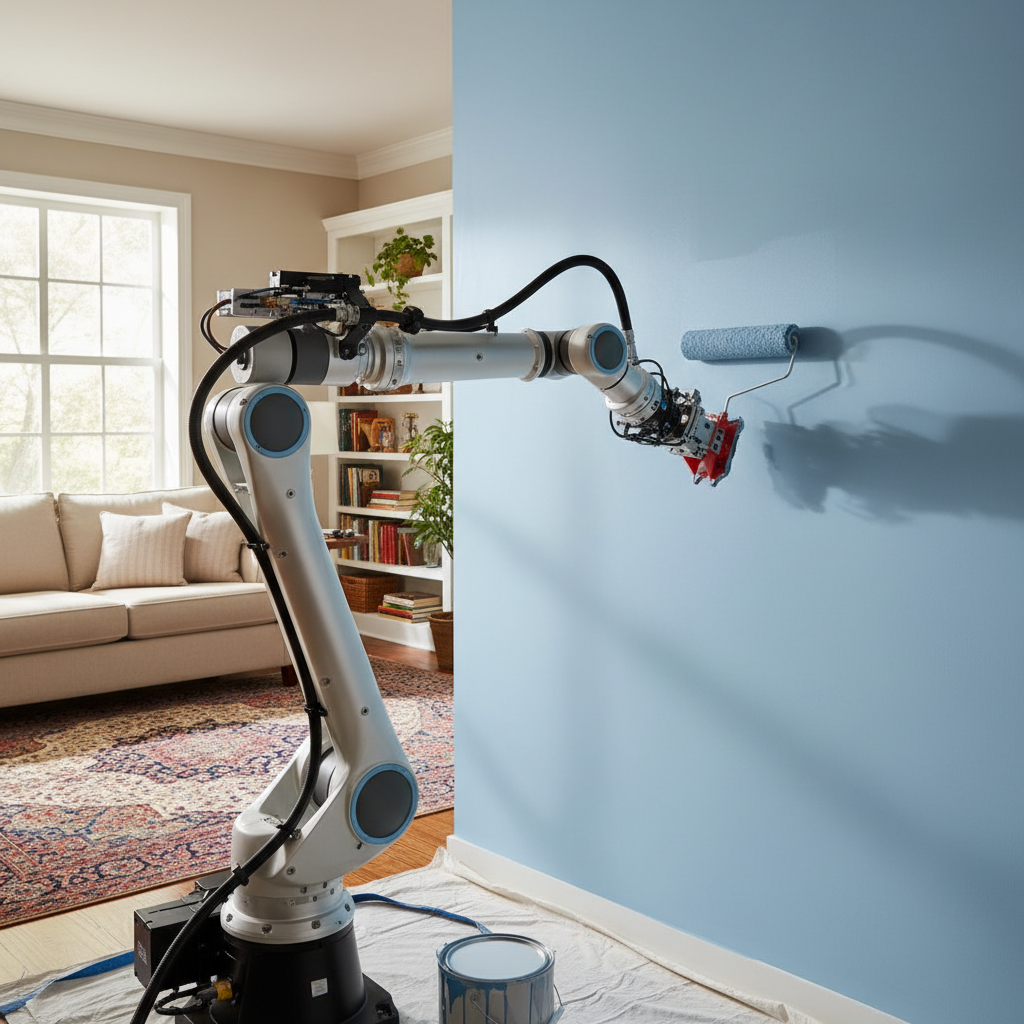
Tired of uneven strokes and aching arms? The future of home painting is here, and it’s powered by precision robots. This article explores how advancements in robotic painting are empowering DIY enthusiasts and professionals alike to achieve flawless finishes with remarkable efficiency.
Precision Perfected: How Automated Applicators Work
Modern robotic painters utilize advanced sensors and AI to map surfaces, ensuring consistent paint thickness and coverage. These systems often feature highly articulate robotic arms, capable of reaching awkward angles and complex geometries with ease. Many models boast integrated spray guns with adjustable nozzle patterns, delivering a uniform 0.01-inch coat with minimal overspray, drastically reducing paint waste.
Speed and Safety Redefined
Beyond aesthetic perfection, robotic painting offers significant practical benefits. A single robotic unit can often paint a standard 10×12-foot room in under 30 minutes, a fraction of the time a human painter would require. Furthermore, it eliminates exposure to harmful paint fumes, enhancing safety for both operators and occupants. Many professional-grade robotic painters operate on low-voltage DC motors, typically 24V, ensuring energy efficiency and quiet operation.
Choosing Your Automated Assistant: Key Considerations
For the serious DIYer or small contractor, factors like maneuverability, setup time, and the ability to handle various paint types are crucial. Look for models with intuitive app-based controls and long-lasting battery life. Some advanced systems even offer self-cleaning functions, a true game-changer. A recent innovation: robotic painters are now integrating 3D LIDAR technology for even more accurate surface mapping in irregularly shaped rooms.
[Date of Post: 27/10/2023]