
Revolutionizing Restoration: Mastering Advanced Masonry Repair with Diamond Blades
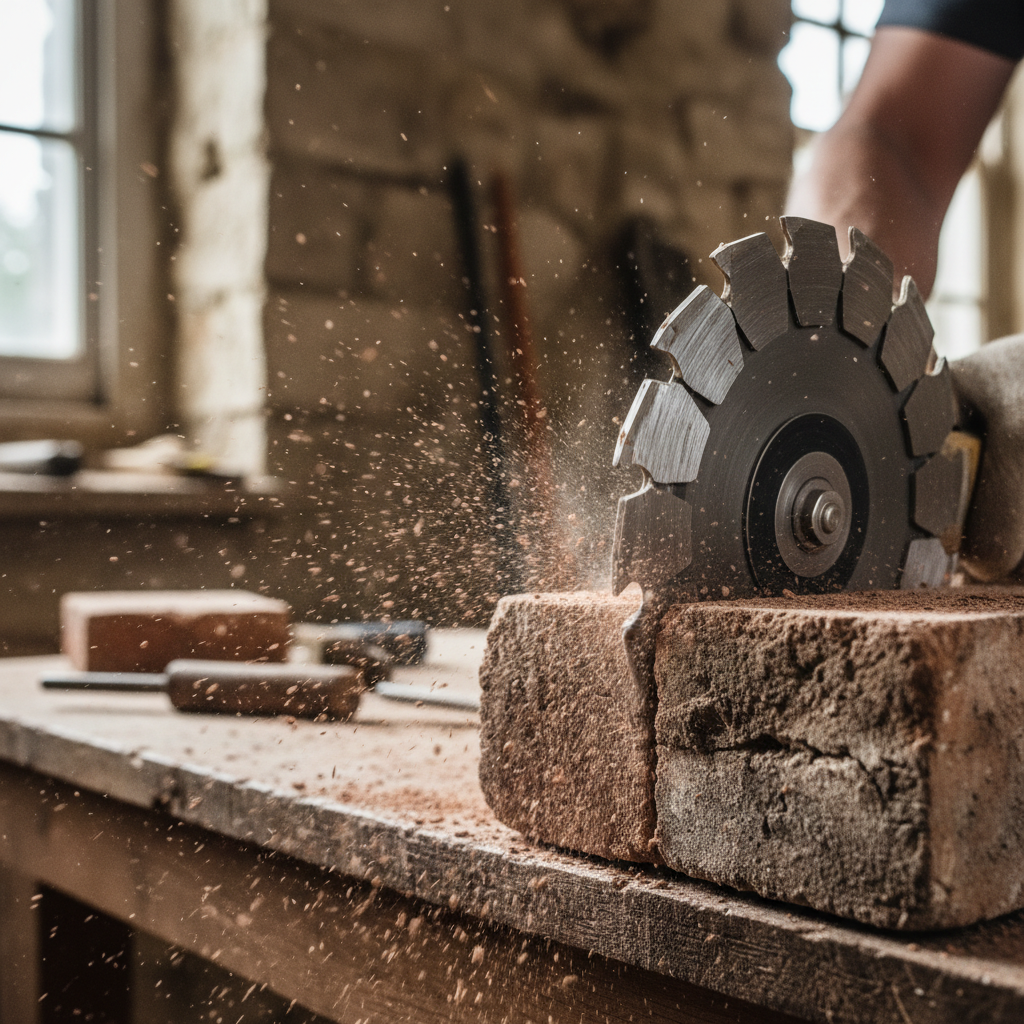
For DIY enthusiasts and seasoned professionals alike, tackling masonry repairs can be a daunting yet rewarding task. From crumbling mortar to compromised brickwork, effective restoration demands precision and the right tools. This article delves into the transformative power of advanced diamond blade technology, offering expert insights for flawless masonry restoration.
The Cutting Edge: Why Diamond Blades Reign Supreme
Traditional abrasive cutting wheels often struggle with the unforgiving nature of concrete and brick, leading to premature wear and uneven cuts. Diamond blades, however, utilize industrial-grade diamonds embedded in the blade’s rim, offering unparalleled durability and cutting power. For precision tasks like removing damaged mortar joints or shaping replacement bricks, a continuous rim diamond blade, often designated for wet cutting, provides the smoothest finish, minimizing chipping and cracking in delicate materials.
Choosing the Right Blade for the Job
Not all diamond blades are created equal. For general demolition or cutting through thicker materials like concrete blocks, a segmented rim blade is ideal. The segments allow for better debris removal, preventing “glazing” and maintaining cutting efficiency. When working with delicate natural stone or glazed tiles, a turbo rim blade offers a balance of speed and finish, making it a versatile choice. Always ensure your chosen blade is compatible with your angle grinder or masonry saw’s RPM specifications and arbor size. Improper matching can lead to blade failure or tool damage.
Safety First: Essential Precautions
Working with powerful cutting tools demands unwavering attention to safety. Always wear appropriate personal protective equipment (PPE), including impact-resistant safety glasses, hearing protection, work gloves, and a dust mask. Diamond blades generate significant dust, especially when dry cutting, so consider using a dust extraction system with your tool. Never force the blade; let the tool do the work, and maintain a firm, stable grip to prevent kickback. Regularly inspect your blade for cracks or wear before each use.
Fun Fact: The first industrial use of diamond-impregnated tools dates back to the late 19th century, initially utilized for manufacturing purposes before finding their way into construction and DIY worlds.
Date of Post: 2/11/2025